The Science of a Perfect Sear
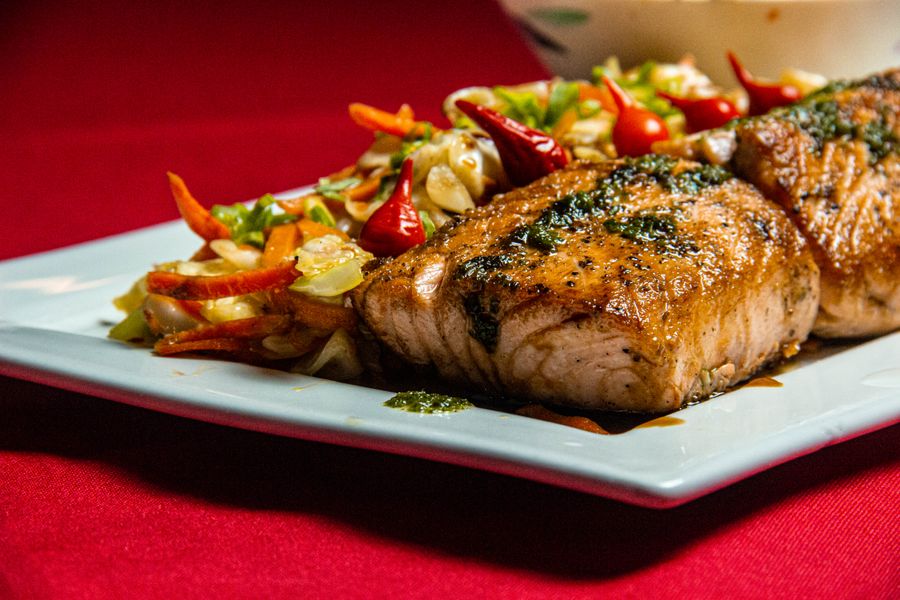
When you sear meat, the browning you see is the Maillard reaction, a cascade of chemistry between amino acids and sugars that creates the savory, roasted, nutty flavors we crave. It kicks in around 300 degrees F, which is far hotter than water can reach, and that is why a dry surface is everything. Pat your protein bone dry and salt it ahead of time.
Heat management is the other half. A pan that is too cool steams the food gray; a pan that is hot enough sizzles aggressively and releases the meat on its own when a crust has formed. Resist the urge to move it around. Let it sit, listen for a steady sear rather than a quiet hiss, and flip only when it lifts cleanly.
Finish thicker cuts gently, either in a low oven or by basting with butter and aromatics, so the inside catches up without overcooking the crust. Then rest the meat so the juices redistribute. Master this sequence and a humble weeknight chicken thigh tastes like it came from a restaurant.
Put it into practice.
Members get 0 tested recipes to cook these techniques into muscle memory.
Start 30-day free trial